
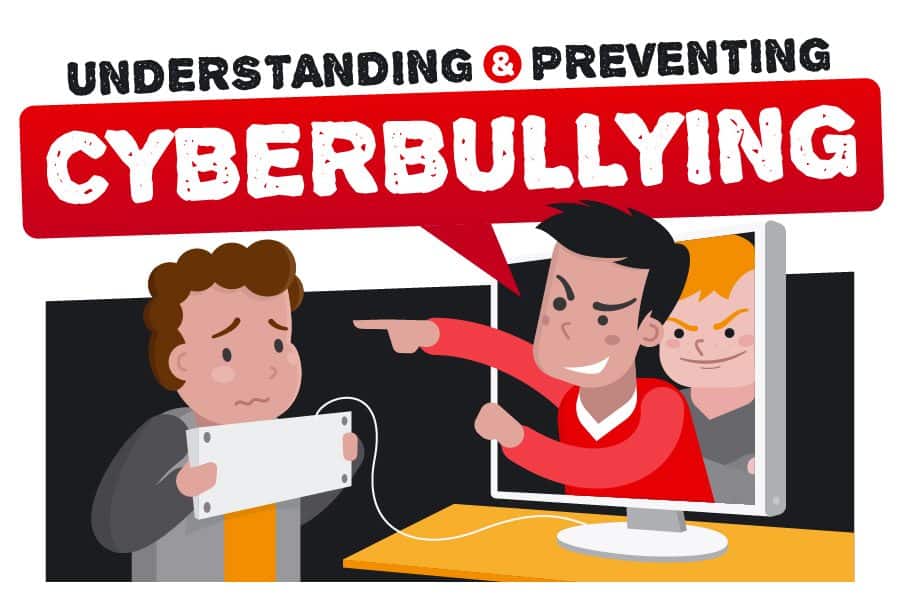
 What Is Cyber bullying
Cyber bullying is bullying that takes place over digital devices like cell phones, computers, and tablets. Cyber bullying can occur through SMS, Text, and apps, or online in social media, forums, or gaming where people can view, participate in, or share content. Cyber bullying includes sending, posting, or sharing negative, harmful, false, or mean content about someone else. It can include sharing personal or private information about someone else causing embarrassment or humiliation. Some cyber bullying crosses the line into unlawful or criminal behavior.
The most common places where cyber bullying occurs are:
- Social Media, such as Facebook, Instagram, Snapchat, and Twitter
- SMS (Short Message Service) also known as Text Message sent through devices
- Instant Message (via devices, email provider services, apps, and social media messaging features)
With the prevalence of social media and digital forums, comments, photos, posts, and content shared by individuals can often be viewed by strangers as well as acquaintances. The content an individual shares online – both their personal content as well as any negative, mean, or hurtful content – creates a kind of permanent public record of their views, activities, and behavior. This public record can be thought of as an online reputation, which may be accessible to schools, employers, colleges, clubs, and others who may be researching an individual now or in the future. Cyber bullying can harm the online reputations of everyone involved – not just the person being bullied, but those doing the bullying or participating in it. Cyber bullying has unique concerns in that it can be:
Persistent – Digital devices offer an ability to immediately and continuously communicate 24 hours a day, so it can be difficult for children experiencing cyber bullying to find relief.
Permanent – Most information communicated electronically is permanent and public, if not reported and removed. A negative online reputation, including for those who bully, can impact college admissions, employment, and other areas of life.
Hard to Notice – Because teachers and parents may not overhear or see cyber bullying taking place, it is harder to recognize.
Laws and Sanctions
Although all states have laws requiring schools to respond to bullying, many states do not include cyber bullying under these laws or specify the role schools should play in responding to bullying that takes place outside of school. Schools may take action either as required by law, or with local or school policies that allow them to discipline or take other action. Some states also have provisions to address bullying if it affects school performance. You can learn about the laws and policies in each state, including if they cover cyber bullying.
Preventing Cyber bullying
Be Aware of What Your Kids are Doing Online
A child may be involved in cyber bullying in several ways. A child can be bullied, bully others, or witness bullying. Parents, teachers, and other adults may not be aware of all the digital media and apps that a child is using. The more digital platforms that a child uses, the more opportunities there are for being exposed to potential cyber bullying.
Warning Signs a Child is Being Cyber bullied or is Cyber bullying Others
Many of the warning signs that cyber bullying is occurring happen around a child’s use of their device. Some of the warning signs that a child may be involved in cyber bullying are:
- Noticeable increases or decreases in device use, including texting.
- A child exhibits emotional responses (laughter, anger, upset) to what is happening on their device.
- A child hides their screen or device when others are near, and avoids discussion about what they are doing on their device.
- Social media accounts are shut down or new ones appear.
- A child starts to avoid social situations, even those that were enjoyed in the past.
- A child becomes withdrawn or depressed, or loses interest in people and activities.
What to Do When Cyber bullying Happens
If you notice warning signs that a child may be involved in cyberbullying, take steps to investigate that child’s digital behavior. Cyber bullying is a form of bullying, and adults should take the same approach to address it: support the child being bullied, address the bullying behavior of a participant, and show children that cyberbullying is taken seriously. Because cyberbullying happens online, responding to it requires different approaches. If you think that a child is involved in cyberbullying, there are several things you can do:
- Notice – Recognize if there has been a change in mood or behavior and explore what the cause might be. Try to determine if these changes happen around a child’s use of their digital devices.
- Talk – Ask questions to learn what is happening, how it started, and who is involved.
- Document – Keep a record of what is happening and where. Take screenshots of harmful posts or content if possible. Most laws and policies note that bullying is a repeated behavior, so records help to document it.
- Report – Most social media platforms and schools have clear policies and reporting processes. If a classmate is cyberbullying, report it the school. You can also contact app or social media platforms to report offensive content and have it removed. If a child has received physical threats, or if a potential crime or illegal behavior is occurring, report it to the police.
- Support – Peers, mentors, and trusted adults can sometimes intervene publicly to positively influence a situation where negative or hurtful content posts about a child. Public Intervention can include posting positive comments about the person targeted with bullying to try to shift the conversation in a positive direction. It can also help to reach out to the child who is bullying and the target of the bullying to express your concern. If possible, try to determine if more professional support is needed for those involved, such as speaking with a guidance counselor or mental health professional.

 blog
blog 